

 Get Started
 Workforce
 Templates
 Documents
 Workflows
Process independent items concurrently
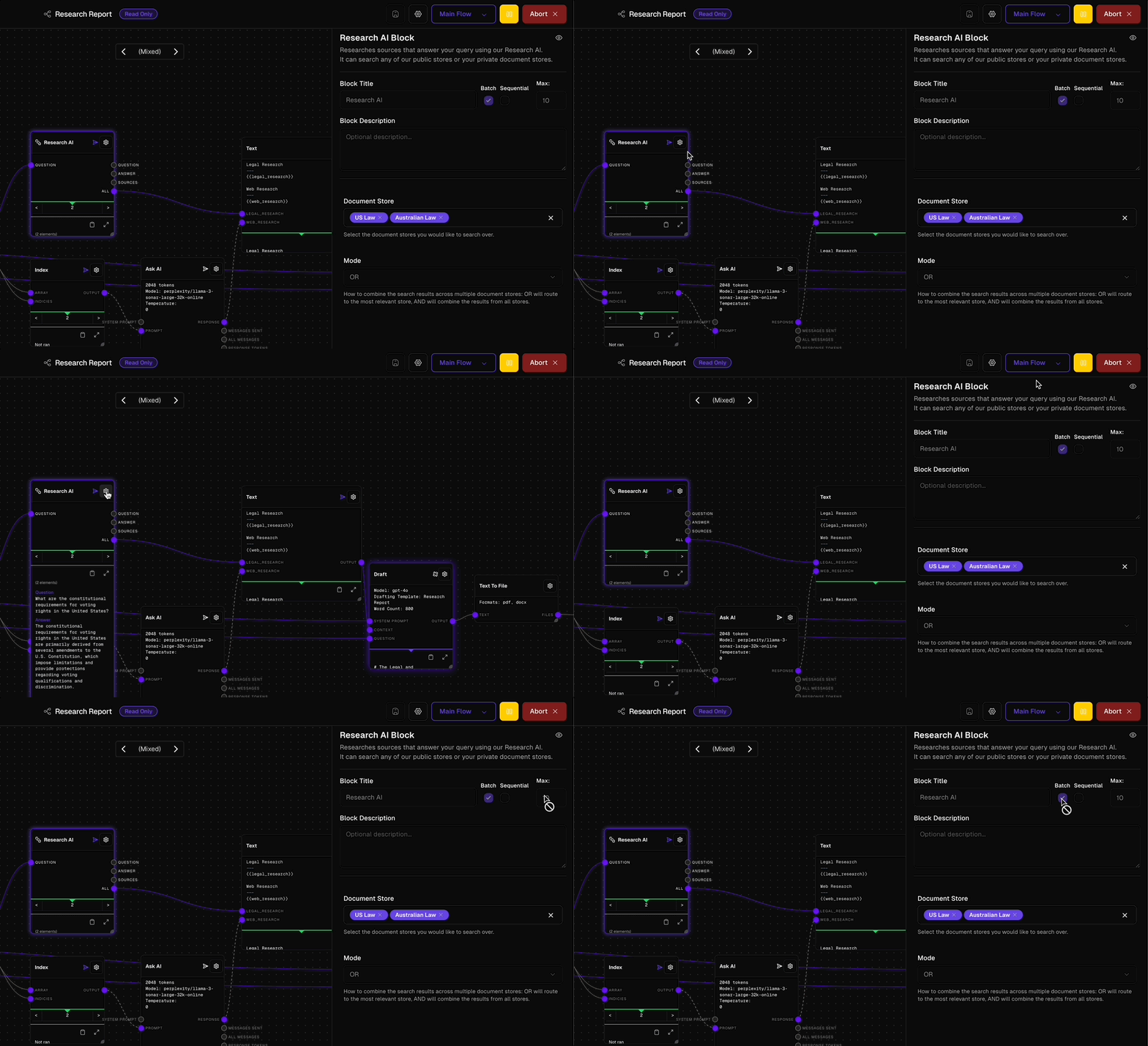
Batching runs the same block once for each item in a collection. Use it when items are independent and can be processed concurrently.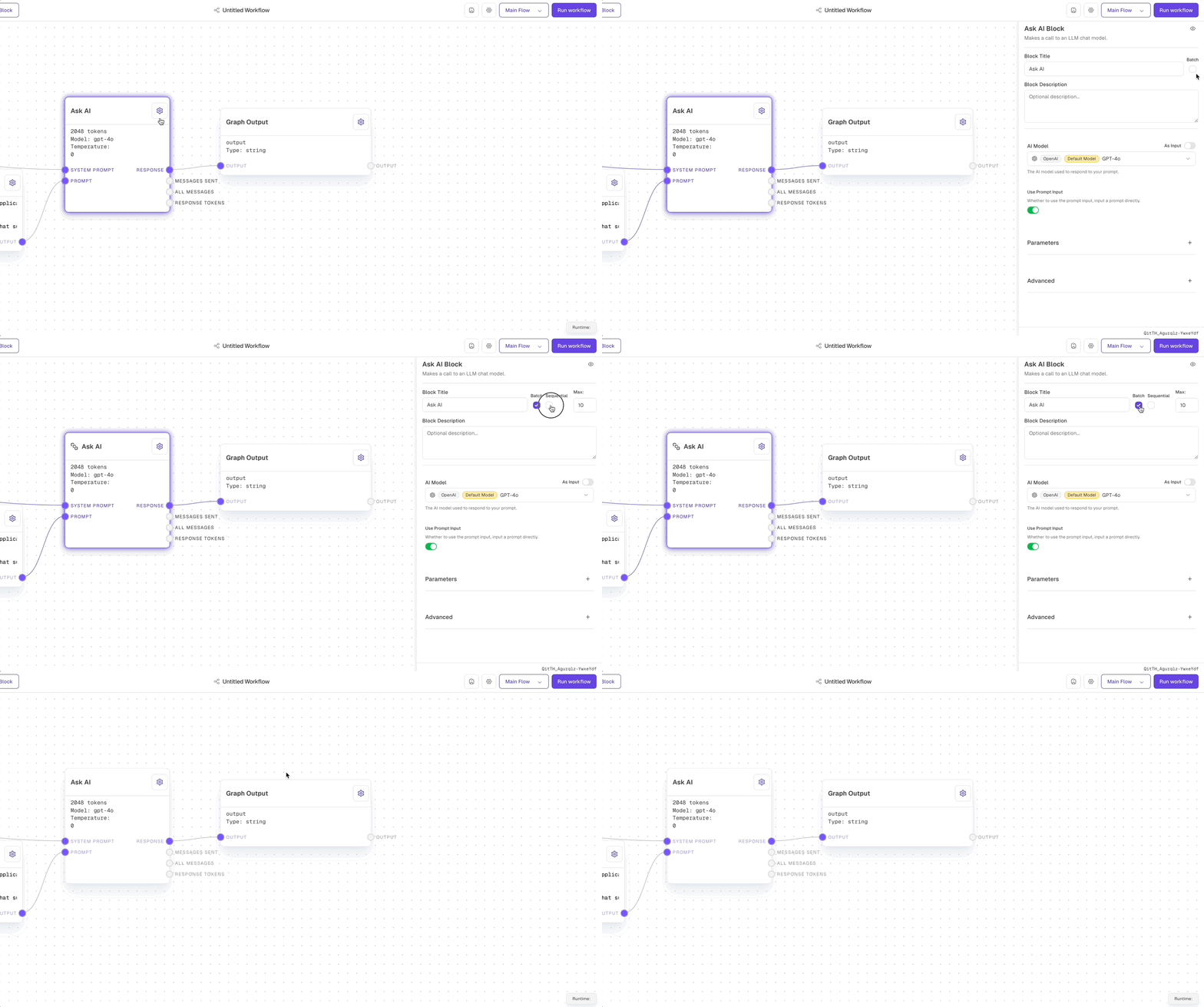
When to use batching
Good candidates include:- Extracting the same fields from multiple documents
- Classifying a list of requests
- Applying one validation to every record
- Creating a draft result for each independent item
Enable batching
1
Provide a collection
Connect an array or table containing the items to process.
2
Select the processing block
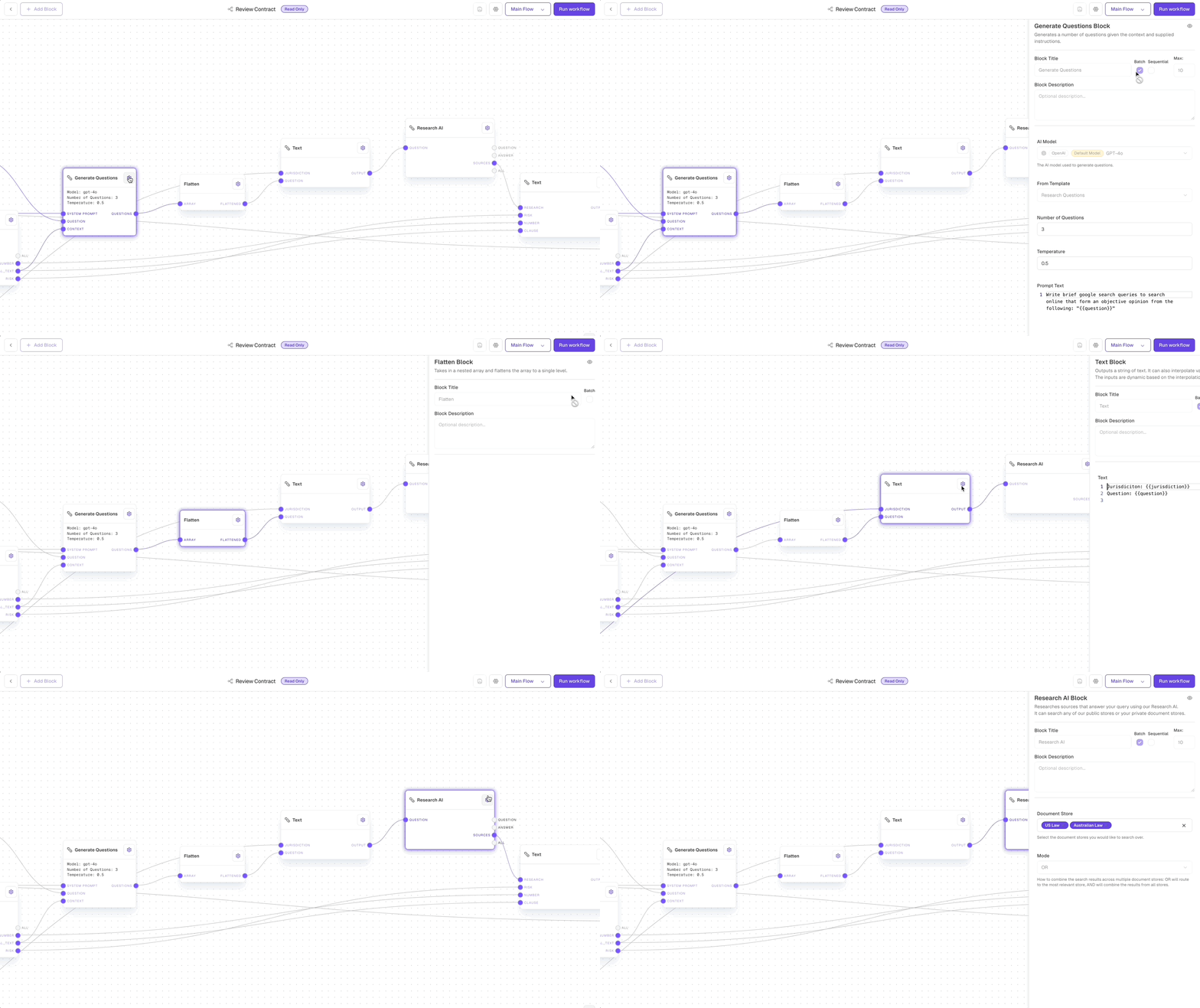
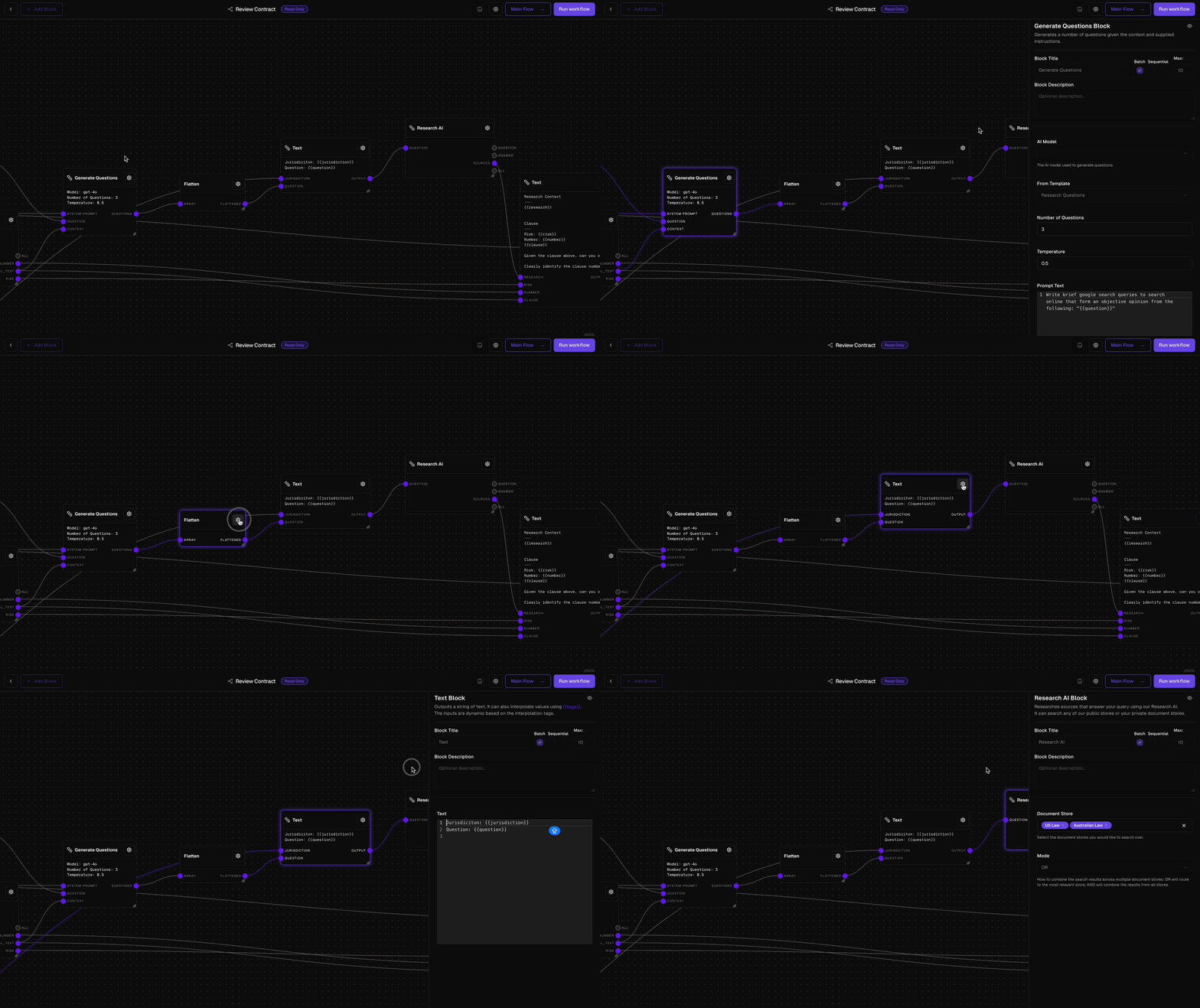
Open the block’s settings and enable batching where supported.
3
Configure the item input
Confirm which value from the collection is passed to each block execution.
4
Handle collected output
A batched block returns a collection of results. Connect it only to downstream blocks that can handle that type.
5
Test a small batch
Verify ordering, result shape, and failure behavior before increasing volume.
Result handling
Decide how the workflow should behave when one item fails:- Stop the full run
- Return successful and failed items separately
- Retry eligible failures
- Send failures for human review
Capacity and external systems
Concurrent work can increase load on models and connected applications. Consider:- Provider rate limits
- API quotas
- File and payload size
- Duplicate writes
- Ordering requirements
- Downstream concurrency limits
- Usage-based charges
Limitations
Nested batching is not supported. If a process needs multiple layers of collection handling, simplify the data shape, use a subflow, or process one layer sequentially.Batching checklist
- Items are independent.
- Input is an array or compatible collection.
- Downstream blocks expect a collection.
- Partial failures have a defined outcome.
- External rate limits are understood.
- Duplicate external actions are prevented.
- Representative volume has been tested.